
European AI models for your organisation
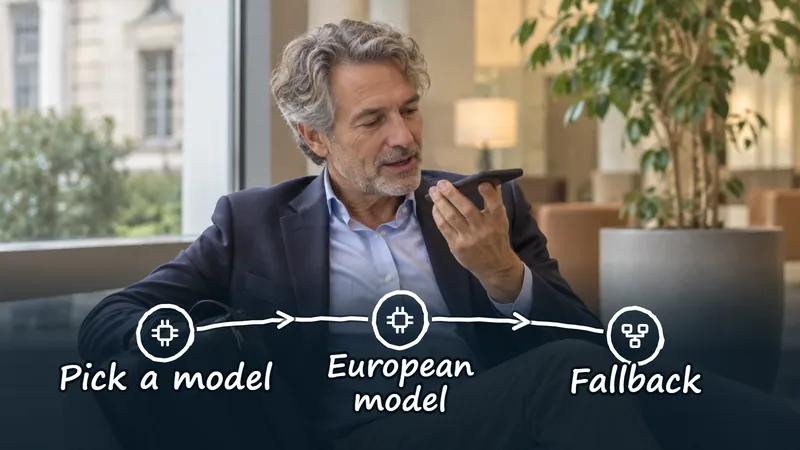
European AI models for your organisation have become a practical choice: every question to an AI assistant contains context from your work, so it matters which model processes it and where it runs. European providers such as Mistral AI (EU endpoint) and Scaleway (Europe) offer models, and in CoVince you choose which model the CrewMate uses.
Why the model matters
With AI your data is not just stored on a server, it is actively processed. The same questions return as with any supplier: which law does the provider fall under, where does processing take place, is it trained on your data and who may access it? Anyone who engages a provider that processes personal data also needs a data processing agreement (GDPR article 28) and must assess transfers outside the EU (GDPR articles 44 to 49). See also the CLOUD Act (2018), which explains access by foreign authorities.
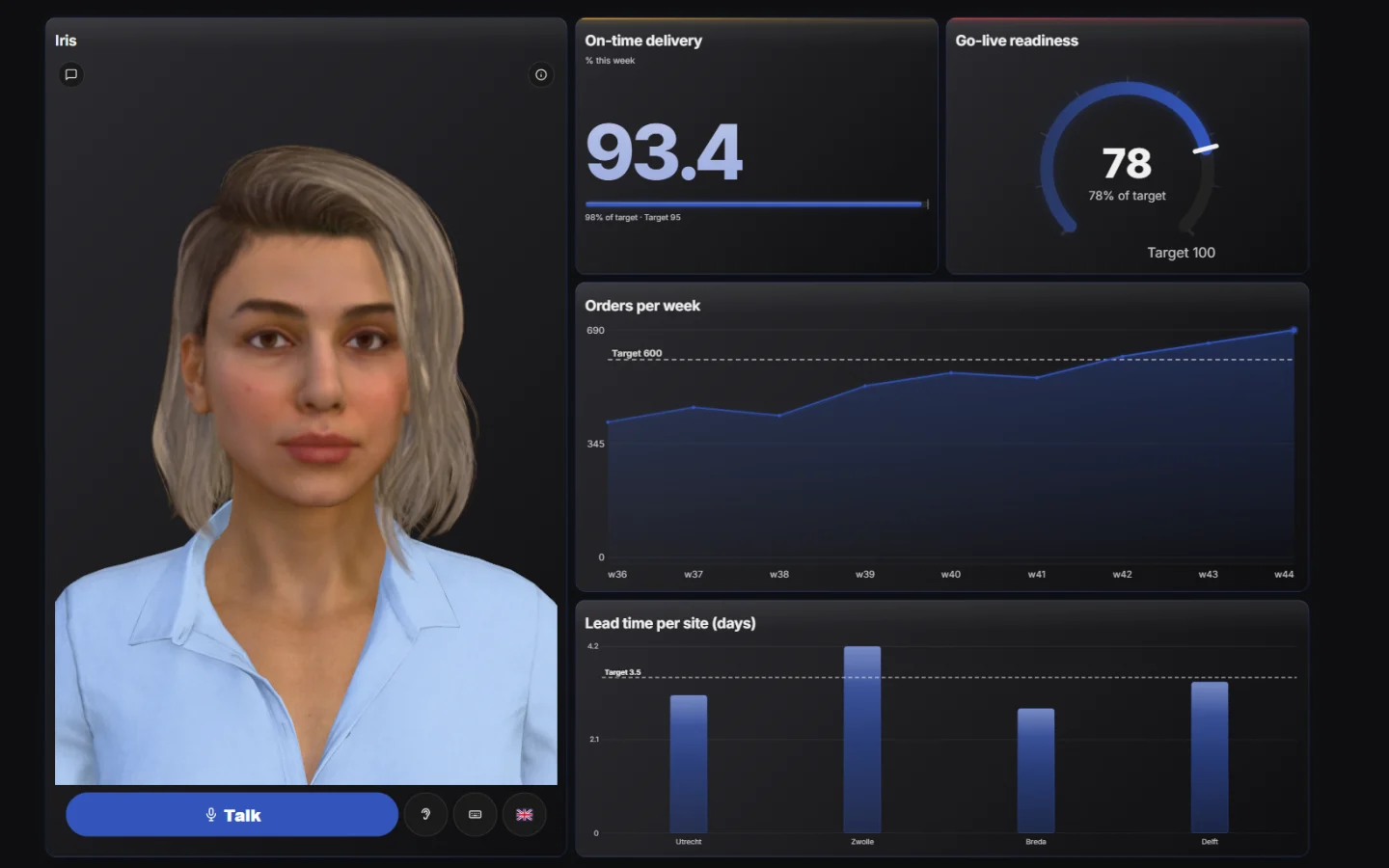
What you can choose in CoVince
In the CoVince model picker an organisation decides for itself which model the CrewMate uses. The choice includes:
- Mistral AI (Europe): chat models and a speech-to-text model, via the provider's European endpoint.
- Scaleway (Europe): EU-hosted models, also for speech to text.
- Models from other providers, where a task calls for them.
- Local models on your own machine, see local AI models.
Mind the wording: you can choose European models, but that does not mean all AI automatically runs in the EU. What an organisation switches on decides where its questions go.
Choosing per level
CoVince works with three levels: top (the most capable models), standard and fast. An organisation admin chooses a model per level. That way sensitive tasks can run on a European model and quick, simple tasks on a smaller one. If a chosen model is unreachable or gives no answer, CoVince falls back to the next model instead of hanging.
An example: housing association Het Weidehuis
Imagine a fictional housing association with 300 staff that wants to use the CrewMate for three things: summarising meeting minutes, drafting letters to tenants and building a plan for a renovation project. Letters contain names and addresses, minutes sometimes contain board-level deliberations, the plan does not. The admin therefore picks a European model for the level that tenant tasks run on, a smaller model for the level used for quick planning questions, and agrees that a handful of highly confidential files do not go through AI at all. The result is not an all-encompassing lock, but a deliberate split the organisation can explain to its data protection officer.
How to test a European model
- Pick three real tasks from your work (summarise, make a plan, answer a question).
- Run them on your current model and on the European model, with the same input.
- Have two colleagues judge blind which answer is better.
- Compare quality, speed and cost, and choose per level.
- Test your own language too: with professional jargon the difference can be large.
Checklist for the admin
- Which tasks go to which level, and which model belongs to it?
- Have you read the provider's terms, including on training on your data?
- Is there a data processing agreement for each provider that sees personal data?
- Do staff know what they do and do not put in a prompt?
- Is it recorded who reviews the model choice, and when?
Common mistakes
The first mistake is choosing one model for everything: you either pay for power you do not need, or get too little quality where it counts. The second is choosing on the basis of a demo instead of your own tasks. The third is forgetting that choosing a model is not the same as being compliant: the organisation stays responsible for what it processes, and a platform does not make you compliant by itself. See also article 50 of the AI Act (Regulation 2024/1689) for what you arrange towards users.
AI-generated audio and video in CoVince also get a marking in the file metadata, without a visible label in the picture. Also read how CoVince brings this together in one platform, and see the alternative to Copilot.
What to evaluate after three months
Plan a short evaluation after a quarter. See which tasks really run on the European model, how often the fallback to another model was needed, and whether staff find the answers useful. Adjust the split per level to what you see, not to what you assumed beforehand. Models change fast; a choice made today deserves a review every six months.
What you do on Monday
- Ask the admin which models are currently set per level.
- Pick one team and one task and put a European model next to the current model.
- Agree who collects the results and when you decide.
That way the model choice is not a one-off decision behind a closed door, but a habit you can explain to colleagues, to your supervisory authority and to the people whose data you process.
Frequently asked questions
Which European AI models can you choose in CoVince?
Models from Mistral AI (via the EU endpoint) and from Scaleway (Europe), for chat and for speech to text. There are also models from other providers and local models.
Does all AI then run in the EU?
No. An organisation can choose European models; what it switches on decides where its questions go.
Who chooses the model?
An organisation admin, per level: top, standard or fast.
What if the chosen model does not answer?
CoVince falls back to the next model instead of showing an empty screen.
Do I still need a data processing agreement?
Yes, for each provider that processes personal data (GDPR article 28). It remains your responsibility as an organisation.
Is a European model automatically better for GDPR?
No. It can limit transfers outside the EU, but you still have to assess what you process, why and under which terms.